Services
Learn more about your upcoming medical imaging procedure.
Cheyenne Radiology performs thousands of procedures every year to diagnose and treat a wide range of medical conditions. Whether we’re conducting a procedure or providing professional services for other physicians and their patients, you can feel confident that our radiologists are both experienced and highly skilled.
Our nine board-certified radiologists have expertise with a wide variety of medical imaging services. The following are some of the procedures we perform most often, along with a few of the conditions that are commonly associated with these procedures.
Computed Tomography Angiography (CTA)
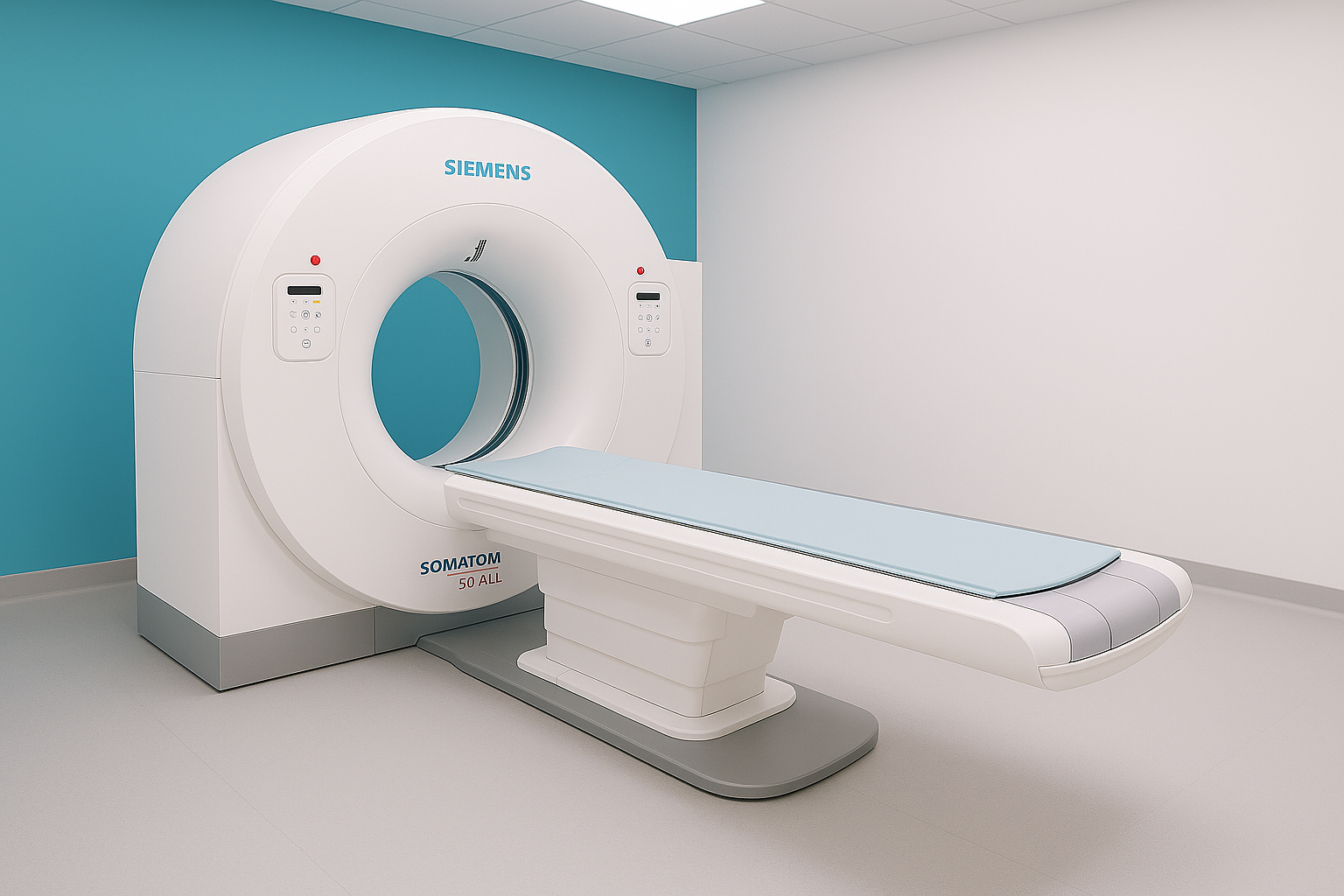
A CTA scan is a quick special type of CT scan that allows the Radiologist to see detailed images of your blood vessels using iodinated contrast. A CTA exam helps evaluate how blood flows through arteries and veins. CTA studies can discover narrowing, blockages, aneurysms and blood clots.
Magnetic Resonance Imaging (MRI)
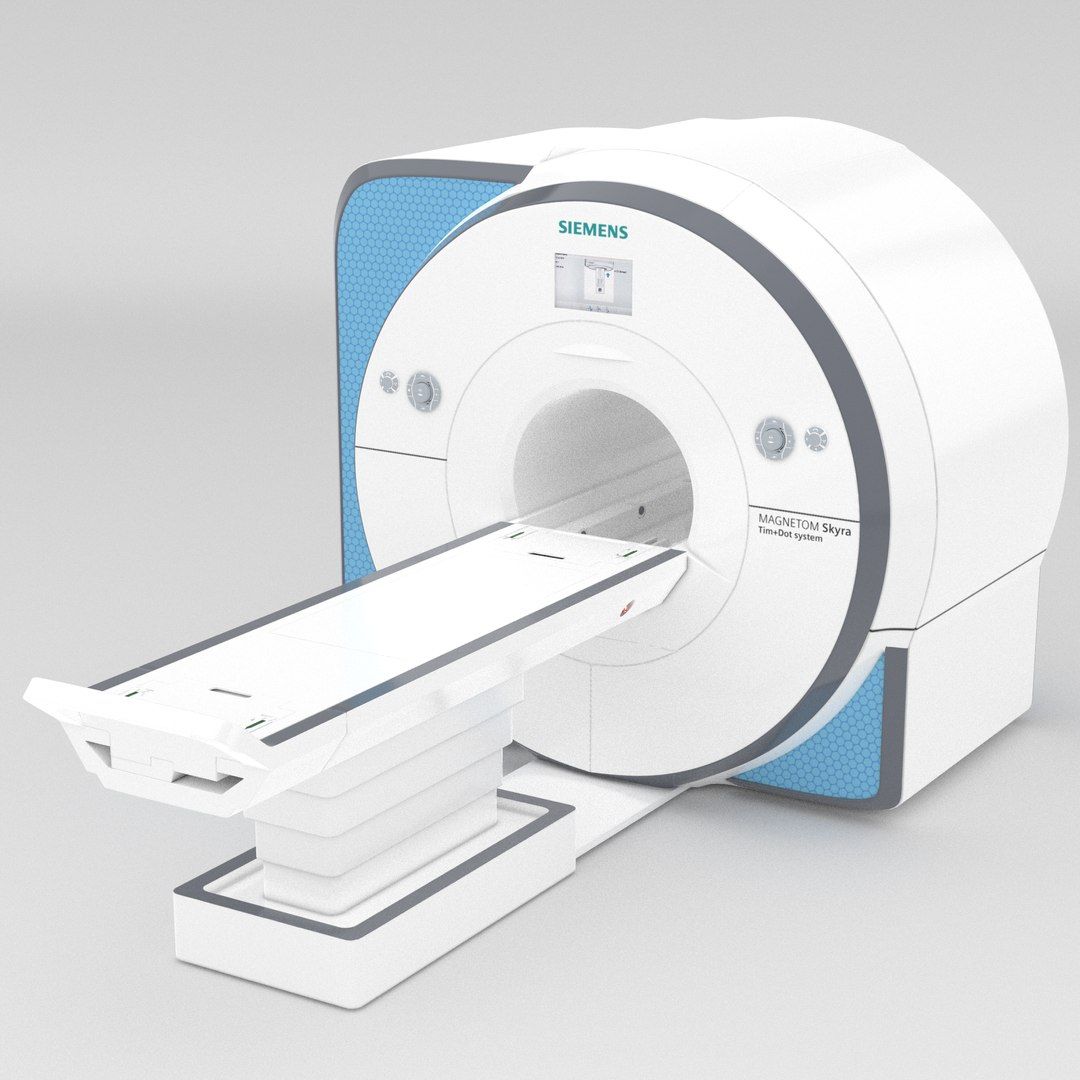
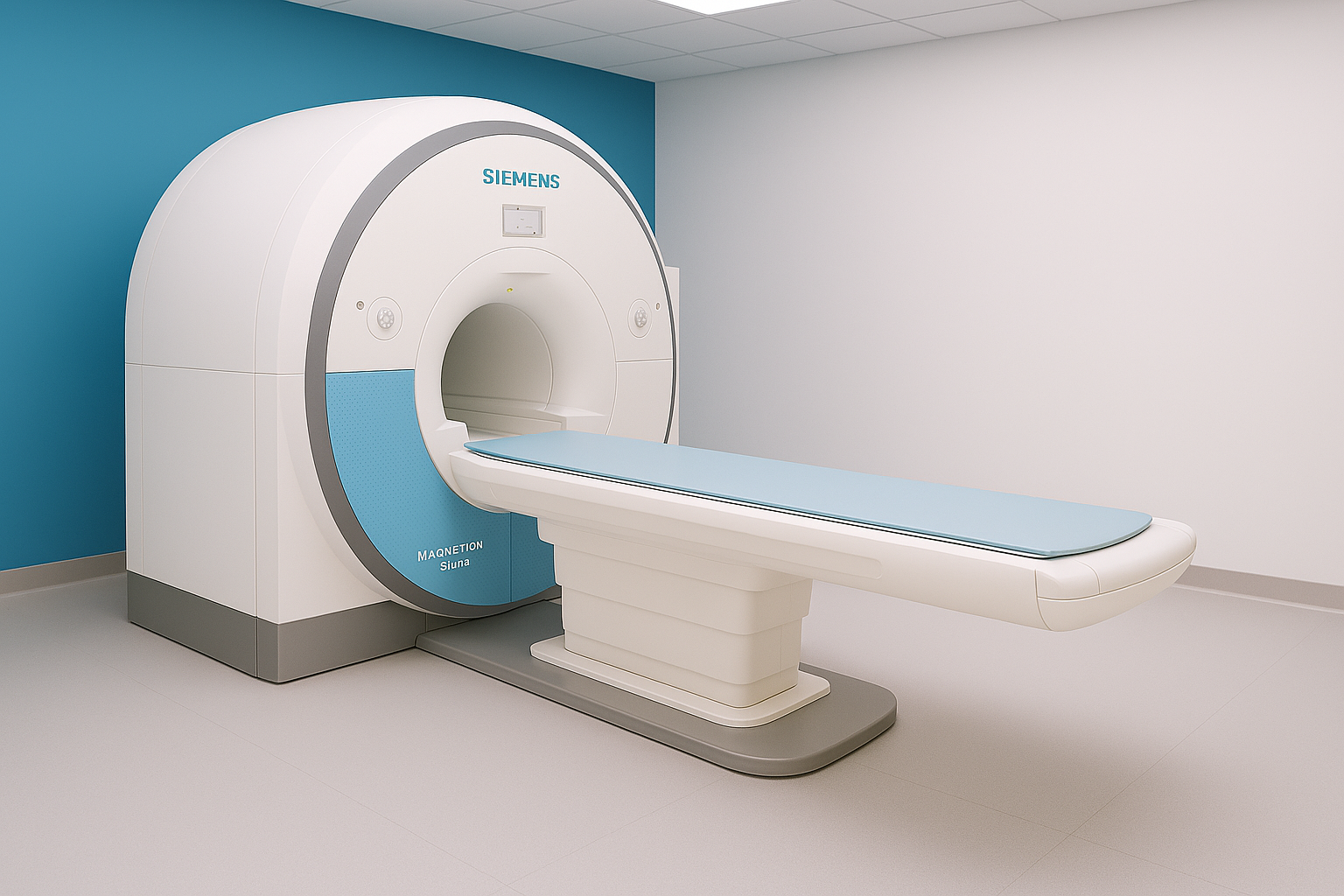
MRI is a medical imaging exam that uses nuclear magnetic resonance to visualize internal structures of the body in detail. There is no radiation. MRI’s help Radiologist examine organs, muscles, joints,ligaments, muscles, bones, brain, spine and soft tissue anatomy. An MRI creates two-dimensional or three-dimensional images of any part of the body. MRIs provide good visual contrast between the fat and water content of the body which makes them especially useful in revealing abnormalities like tumors, inflammation and infection.
Magnetic Resonance Angiography (MRA)
MRA is a type of technique that uses magnetic resonance imaging (see MRI) and often contrast to image blood vessels throughout the head and body. MRA is most often used to generate detailed images of arteries in order to evaluate them for abnormal narrowing, blockage or aneurysms (bulges that may rupture).
Mammography
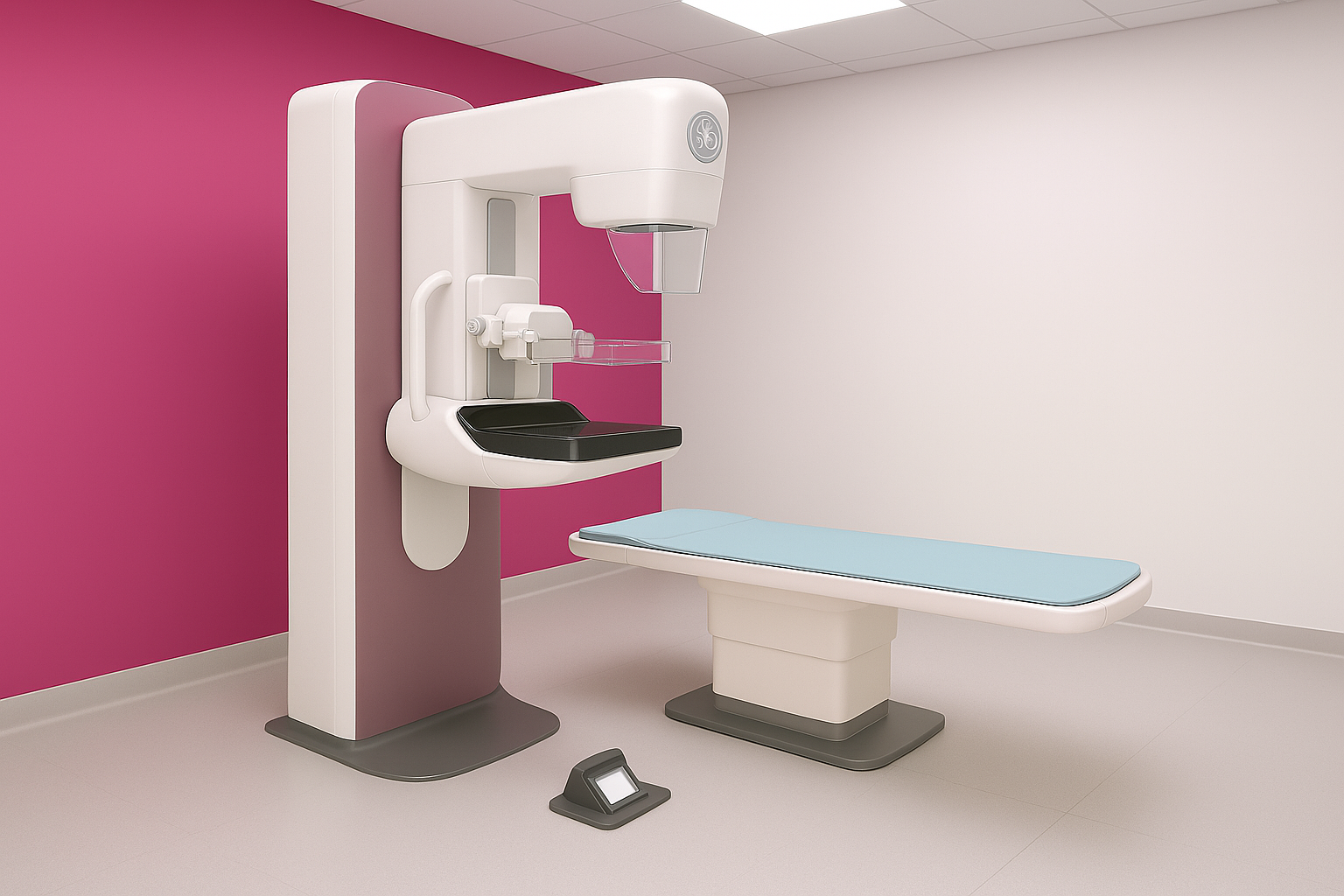
Mammography is a specialized medical imaging exam that uses low-dose X-rays to create detailed images of breast tissue. It is mainly used to screen for and detect breast cancer early, often before a lump can be felt. Mammograms can help doctors identify masses, calcifications, or other changes in breast tissue and are an important tool for early detection and monitoring of breast health. Modern digital and 3D mammography technology improves image clarity and detection while keeping radiation exposure low and patient comfort a priority.
Dual-energy X-ray Absorptiometry (DEXA or DXA)
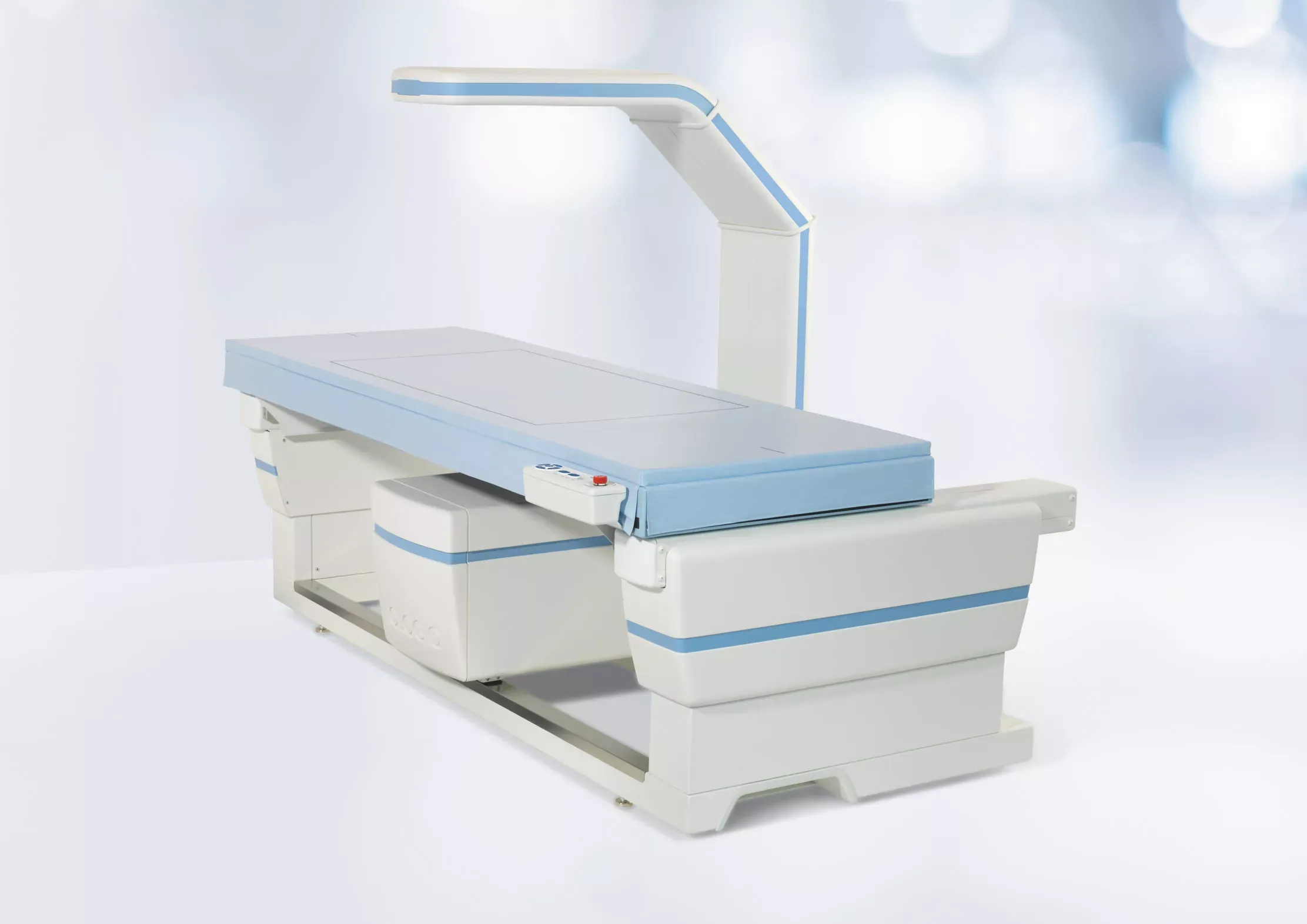
Dual-energy X-ray Absorptiometry (DEXA or DXA) is a specialized imaging exam that uses very low-dose X-rays to measure bone density and body composition. It is used to diagnose osteoporosis, assess fracture risk, and detect early bone loss. DEXA scans also provide detailed measurements of fat and lean muscle distribution, supporting fitness, nutrition, and wellness goals.
Ultrasound
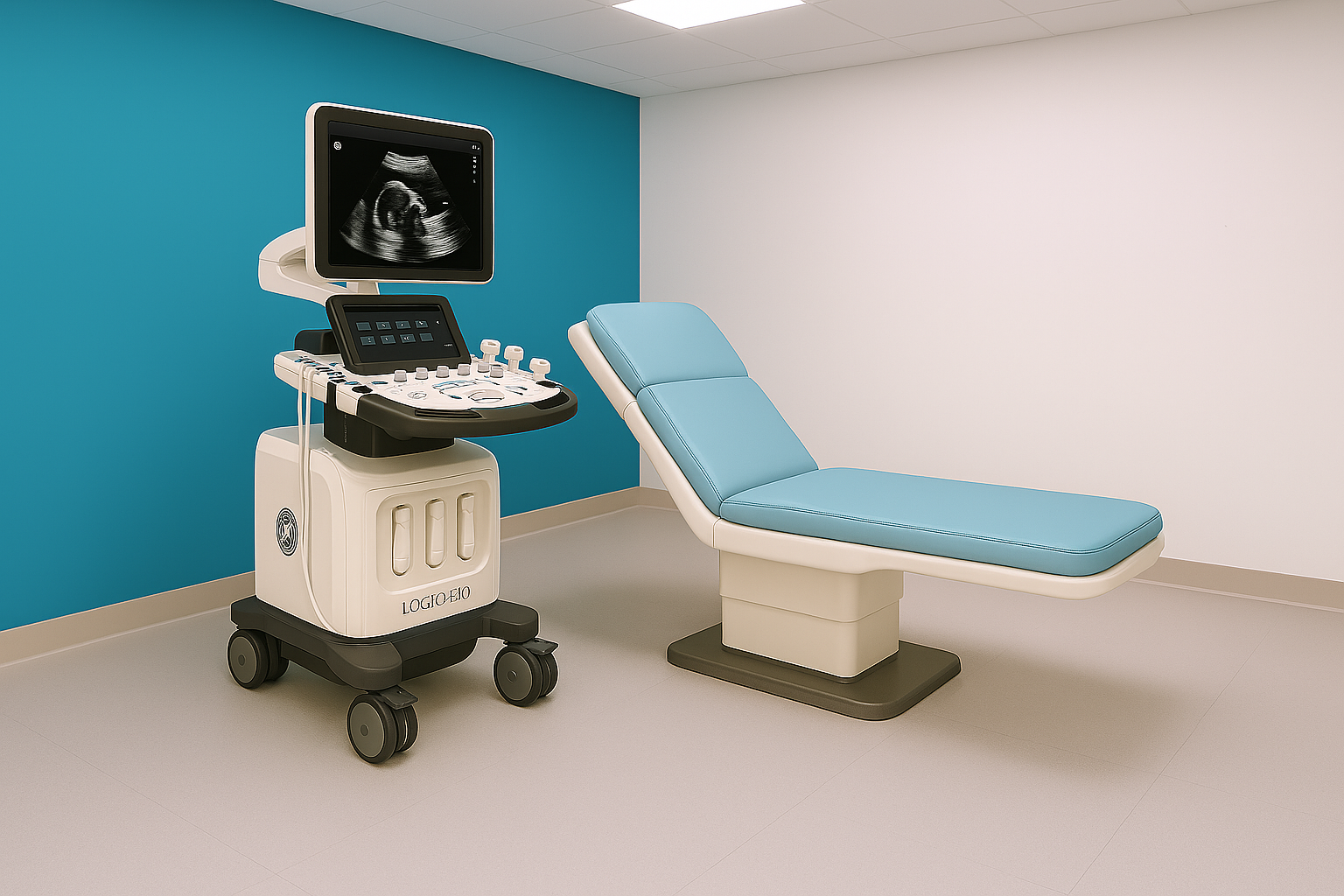
Ultrasound is a simple, comfortable imaging test that uses sound waves to create live pictures of what is happening inside your body. There is no radiation; just clear, helpful images that give your provider the information they need. Whether you are checking an organ, looking at blood flow, or monitoring a pregnancy, we are here to make the experience easy and relaxing from start to finish.